

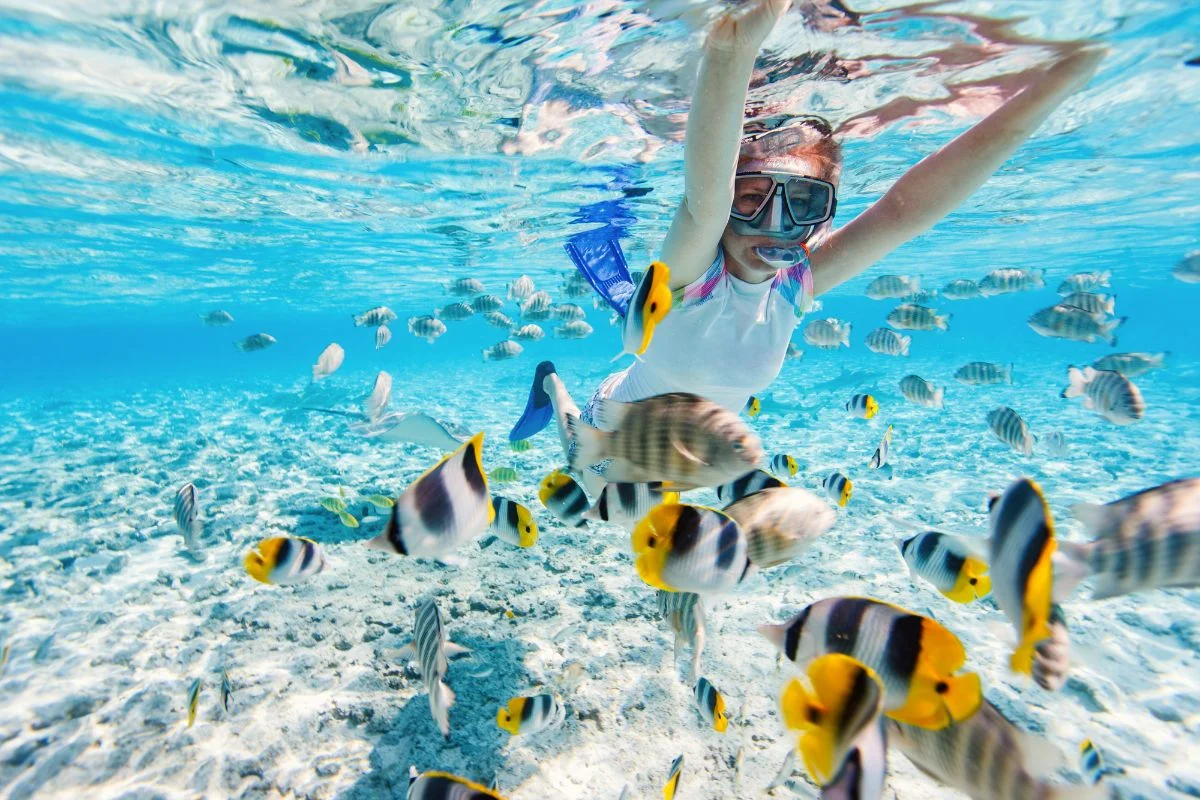
Quick answer
Boracay's primary snorkeling areas include White Beach's northern reef (shore access), Crocodile Island's eastern wall (15-minute boat ride), Yapak coral gardens near Puka Beach (20-minute boat ride), and Balinghai Beach's shallow plateau (boat or kayak access). Visibility peaks between 06:00 and 10:00 when wind and boat traffic are minimal. Free shore entry applies at public beaches; boat rentals for offshore sites typically cost 1,500-2,500 PHP for group tours.
Crocodile Island holds the densest hard coral coverage within Boracay's protected marine zones, with visibility routinely exceeding 15 meters during calm mornings. The island's eastern drop-off descends to 12 meters and hosts surgeonfish schools, parrotfish, and resident sea turtles that forage along the reef slope. Tour boats depart from White Beach Station 1 and Station 3, with the 15-minute crossing smoother before midday winds pick up. Yapak's coral gardens stretch along the northern coastline between Puka Beach and Ilig-Iligan Beach, where the reef flat sits at 3-5 meters depth and soft corals dominate the substrate. Clownfish occupy anemone clusters near the shallows, and juvenile reef fish use the branching coral as nursery habitat. Boat operators access this zone from Bulabog Beach or direct charters from White Beach, though the 20-minute ride encounters chop during northeast monsoon months from November through March. White Beach's northern reef near Diniwid offers the island's only reliable shore-entry snorkeling, with a sandy channel leading to scattered coral bommies 30-50 meters offshore. Depth ranges from 2 to 6 meters, suitable for beginners, though visibility drops below 8 meters once midday boat traffic stirs sediment. Balinghai Beach's reef plateau requires either a short boat hop from Tambisaan or a 30-minute kayak paddle from White Beach Station 3, rewarding the effort with intact table corals and fewer visitors. Water clarity across all Boracay snorkeling spots depends on tidal exchange and seasonal rainfall patterns. The dry season from December through May delivers the clearest conditions, while southwest monsoon rains from June through October reduce visibility and can close boat access to exposed northern sites. Early morning departures consistently outperform afternoon sessions regardless of season, as thermal winds and human activity increase after 10:00.
“Crocodile Island's eastern wall routinely delivers visibility exceeding 15 meters during early morning sessions, when resident sea turtles forage along the coral slope.”
The Best Time to Visit Boracay Snorkeling Spots
The best arrival window is 06:00–10:00 to maximize water clarity and avoid peak crowd congestion. Early morning conditions typically provide the calmest waters for optimal visibility.
Dry Season (Nov–April)
High; heavy tourist volume24°C to 32°C; low rain probability
This period offers the most consistent water visibility and favorable sea conditions. Planning visits during early hours is essential to bypass daily boat traffic.
Wet Season (May–Oct)
Moderate; fewer visitors25°C to 31°C; frequent monsoon showers
Expect localized rain showers, though underwater visibility often remains clear between storms. Visiting during this time allows for a quieter experience at popular sites.
Weekday Mornings
Low; minimal congestion—
Choosing a weekday morning provides the best opportunity to access snorkeling areas without crowds. Calm morning tides ensure better surface conditions for swimming.
Verdict: The best time to visit is Tuesday to Thursday between 06:00 and 10:00 during the dry months of January through March.
Opening Hours for Boracay Snorkeling Spots
Public snorkeling spots in Boracay are open daily to the public. These hours apply to general access points across the island.
| Monday | 06:00–18:00 | |
|---|---|---|
| Tuesday | 06:00–18:00 | |
| Wednesday | 06:00–18:00 | |
| Thursday | 06:00–18:00 | |
| Friday | 06:00–18:00 | |
| Saturday | 06:00–18:00 | |
| Sunday | 06:00–18:00 |
Entrance Fees for Boracay Snorkeling Spots
Access to public snorkeling spots around Boracay is free of charge. Visitors should note that costs for these activities typically involve boat rentals or organized tour fees which are separate from site access.
A typical visitor pays 0 PHP for site access, with total costs primarily determined by chosen boat rental or tour service providers.
How to Reach Boracay Snorkeling Spots
Boracay snorkeling spots are situated along the island's coastline and are accessible via land-based tricycles or water-based island-hopping arrangements. Most visitors coordinate transport from their resort area to reach designated beach access points or boat departure stations.
Tricycle to Ilig-Iligan Beach or Puka Shell Beach
Island-hopping tour departure from Bulabog Beach or Station 1
Walking access for sites located directly off White Beach
Rules for Visiting Boracay Snorkeling Spots
Boracay's reefs are fragile ecosystems that require careful visitor conduct. Follow these practices to protect marine life and preserve snorkeling conditions for future visitors.
Do
- Use reef-safe sunscreen without oxybenzone or octinoxate
- Keep a safe distance from coral formations
- Follow your guide's instructions on current and depth
- Secure all loose items before entering the water
- Report any injured marine life to boat operators
- Dispose of waste in designated bins on shore
Don't
- Touch, stand on, or kick coral reefs
- Feed fish or other marine animals
- Collect shells, coral fragments, or sea creatures
- Anchor boats directly on coral beds
- Wear lotions or sprays that wash off into the water
- Chase or corner sea turtles and other wildlife
Check availability
Frequently asked questions about boracay snorkeling spots
Everything you need to know about boracay snorkeling spots